
Holding Title, Trusts & Selling an Inherited Home
September 23, 2026
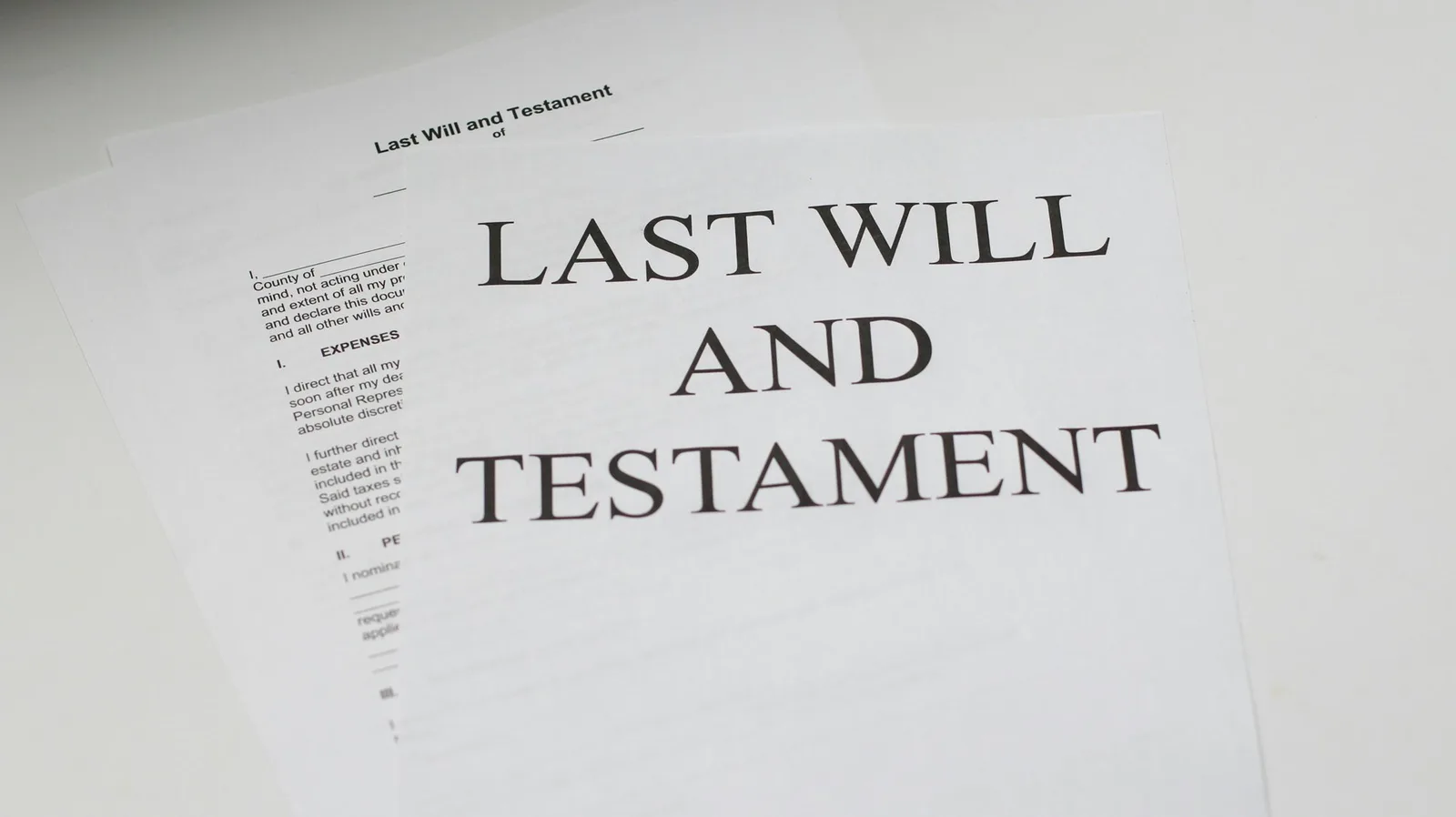
A lot of the homes that change hands in Siskiyou County are not sold by the people who bought them. They are sold by a trustee after a parent passes, by an executor working through probate or by siblings deciding together what to do with the family cabin. And every buyer, at the end of escrow, has to decide how to hold title.
This article covers both ends: the choices you make when you buy, and what happens when a home is inherited. It reflects California rules as of 2026. It is general information, not legal or tax advice. Vesting, trusts, probate and taxes all have consequences that depend on your situation, so talk with an estate planning attorney and a tax professional before you decide.
How you can hold title in California
"Vesting" is how the deed describes who owns the property and in what form. Escrow will ask you for it before closing. Common choices:
- Sole ownership: one person owns it outright. A married person buying alone may be asked for their spouse's written consent or a quitclaim.
- Community property: available to married couples and registered domestic partners. Each owns half; each can leave their half by will.
- Community property with right of survivorship: added by Civil Code section 682.1. When one spouse dies, the property passes to the survivor without probate, much like joint tenancy.
- Joint tenancy: two or more people own equal shares with a right of survivorship. When one dies, their share goes to the surviving owners automatically, whatever their will says.
- Tenancy in common: two or more people own shares, equal or not, with no survivorship. Each share passes by will or through the owner's estate. Friends and relatives who buy together often use this, ideally with a written agreement about who pays what and what happens if one wants out.
- A trust: the trustee holds title for the trust. Many California homeowners use a revocable living trust so the home can pass to heirs without probate.
Joint tenancy
- At death
- To the surviving owners
- Who
- Two or more people
- Shares
- Equal
Tenancy in common
- At death
- By will or the estate
- Who
- Two or more people
- Shares
- Equal or not
Community property with right of survivorship
- At death
- To the surviving spouse, without probate
- Who
- Married couples and registered domestic partners
Revocable living trust
- At death
- To heirs, without probate
- Who
- The trustee holds title for the trust
The right choice depends on your situation; talk with an estate planning attorney and a tax professional before you decide.
The choice can affect probate, creditor exposure and income tax basis when an owner dies. For example, IRS guidance allows both halves of community property to get a new basis at the first spouse's death, which can matter a great deal on a home owned for decades. That is exactly the kind of detail to confirm with a tax professional before you pick.
Putting your home in a trust
Moving your home into your own revocable living trust is generally not treated as a change in ownership for property tax purposes, so it does not trigger reassessment. Title companies are used to working with trusts. When a trustee later sells or refinances, they typically provide a certification of trust under Probate Code section 18100.5, a short signed summary that proves the trust exists and who can act for it, instead of handing over the whole trust document.
If you already own a home here and never finished funding your trust, check your deed. A trust that doesn't hold the house can't keep it out of probate.
Prop 19: what changed for families
Proposition 19, in effect since 2021, changed the parent-to-child property tax rules that many families had counted on. According to the Board of Equalization, as of 2026:
- The exclusion applies only to a family home (or a family farm). Other property, such as a rental house or a vacation cabin that wasn't the parent's primary residence, is reassessed to current market value when it passes to a child.
- The home must have been the parent's principal residence and must become the child's principal residence. The child has to file for the homeowners' or disabled veterans' exemption within one year of the transfer.
- The benefit is capped. The excluded amount is the home's existing taxable value plus an inflation-adjusted amount. For transfers from February 16, 2025 through February 15, 2027, that amount is $1,044,586. Value above the cap is added to the assessment.
- The claim is filed with the county assessor on form BOE-19-P.
The practical effect in our area: when a family inherits a house or cabin and no one moves in, the property tax usually resets to market value. That is often what tips families toward selling. Knowing it early helps you plan.
Prop 19 also lets homeowners who are 55 or older, severely disabled, or who lost a home to wildfire or another disaster carry their taxable value to a replacement home anywhere in California, up to three times, if the replacement is bought within two years before or after the sale. If the new home costs more, part of the difference is added. See our article on property taxes, HOAs and special assessments for how the rest of your tax bill works.
Selling a home held in a trust
When the person who set up a living trust dies, the successor trustee takes over. Selling from a trust is usually the simpler path:
- Notice to beneficiaries and heirs. Within 60 days of a revocable trust becoming irrevocable, Probate Code section 16061.7 requires the trustee to notify beneficiaries and the deceased person's heirs. That notice starts the clock on the period for contesting the trust, generally 120 days.
- Title and escrow. The title company will ask for a death certificate, the certification of trust and sometimes an affidavit of the trustee's authority.
- Listing and sale. The trustee signs the listing agreement and purchase contract. No court approval is needed in most trust sales.
- Disclosures. Some transfers by a fiduciary are exempt from the standard Transfer Disclosure Statement under Civil Code section 1102.2. That exemption does not apply when the trustee is the sole trustee of a revocable trust and a former owner or recent occupant. Even when the form isn't required, a seller still has to disclose known material facts, and we recommend disclosing what you know.
Many trustees live out of the area. We often work with sellers who are handling everything from out of the area, and we can be your eyes on the ground: arranging access, lining up estimates for repairs and handling showings locally.
Selling a home through probate
If the home was not in a trust and passed by will or without one, it may need to go through probate in Siskiyou County Superior Court. How the sale works depends on the authority the court gives the personal representative:
- Full authority under the Independent Administration of Estates Act: the executor or administrator can usually list and sell without a court confirmation hearing. They must give interested people a Notice of Proposed Action at least 15 days before the sale; if no one objects, the sale can proceed.
- Limited authority, or when someone objects: the sale needs court confirmation. That adds a hearing, and the court can open the sale to overbidding in the courtroom. Buyers need patience; closing takes longer.
California also has shortcuts for smaller estates. For deaths on or after April 1, 2025, a decedent's primary residence worth up to $750,000 may be transferred to heirs with a single court petition (form DE-310) instead of full probate. Personal property worth up to $208,850 may pass by a simple affidavit. These thresholds adjust every three years. An attorney can tell you whether your situation qualifies.
Taxes when you sell an inherited home
Federal tax rules generally set an heir's basis at the property's fair market value on the date of death, not what the parent paid. So if you sell reasonably soon after inheriting, the taxable gain may be small. An appraisal as of the date of death is worth ordering early; it documents that value.
California's real estate withholding rules still apply at closing. Some sellers can claim an exemption, including when the home was last used as the decedent's principal residence. Escrow will give you FTB Form 593 to complete. Our seller's guide covers withholding and reporting in more detail.
Where to start
If you have inherited a home here, or you are the trustee or executor for one, a good first step is a clear picture of what it is worth and what it needs. Contact us for a home value estimate and a walk-through. We will work alongside your attorney and tax advisor so the sale fits the rest of the estate.
Sources
- California Civil Code section 682.1 (community property with right of survivorship)
- Board of Equalization: Proposition 19
- Board of Equalization news release: Prop 19 exclusion adjusted to $1,044,586 (2025)
- California Probate Code section 18100.5 (certification of trust)
- California Probate Code section 16061.7 (trustee notification)
- California Civil Code section 1102.2 (disclosure exemptions)
- California Courts Self-Help: When formal probate may not be needed
- California Courts: DE-310 Petition to Determine Succession to Primary Residence
- IRS Publication 551, Basis of Assets
- IRS Publication 555, Community Property
- FTB Form 593 instructions (2026)