
Wells, Septic & Water: A Guide for Rural Buyers & Sellers
September 12, 2026
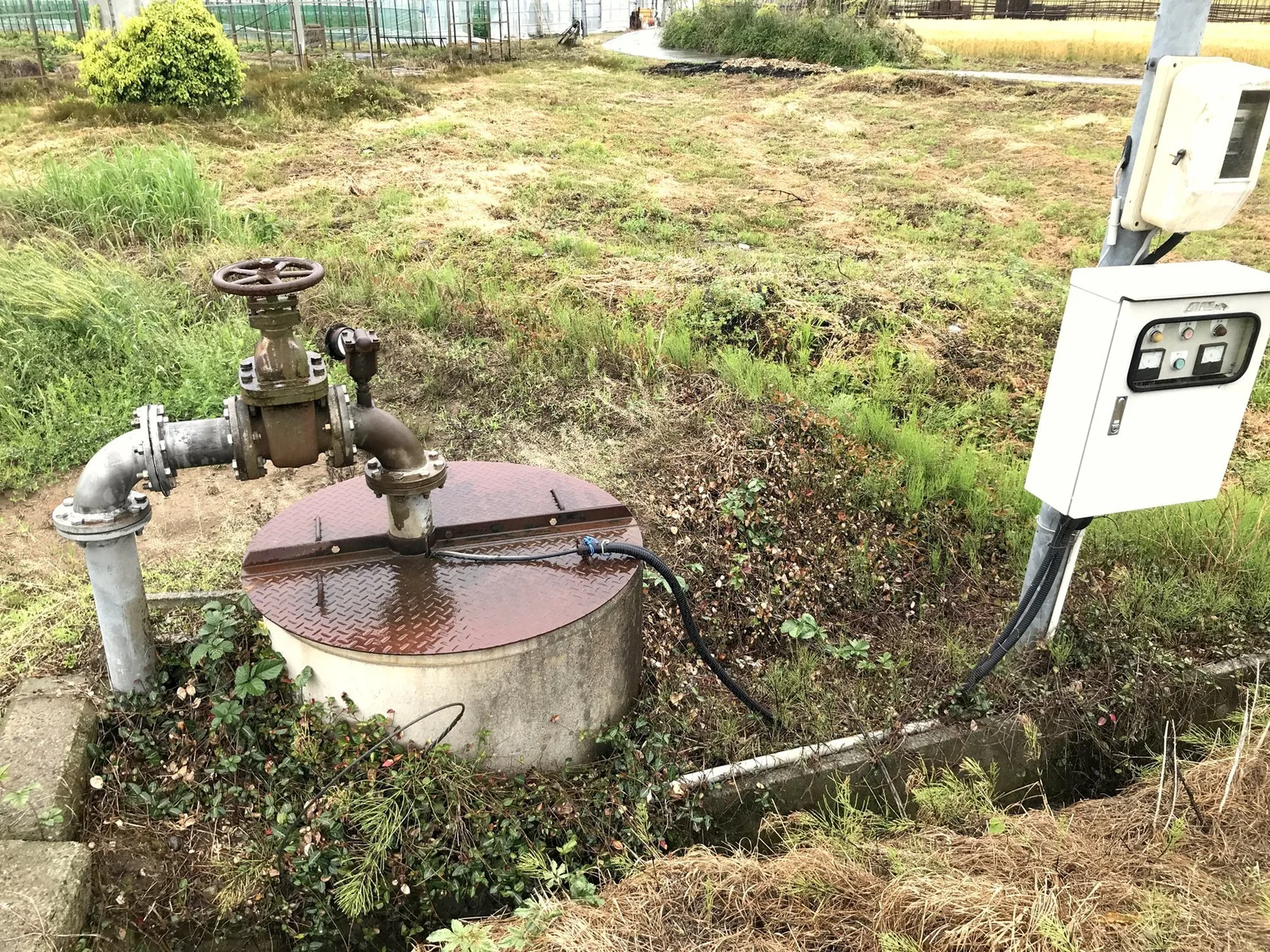
Step outside the city limits of Mt. Shasta, Weed or Dunsmuir and there is a good chance the home you are looking at has its own water well and its own septic system. That is normal here, and a good well and a sound septic system can serve a home for decades. They are also the two most expensive things on a rural property to fix, and they sit where no one can see them.
This guide explains how we approach water and wastewater in a Siskiyou County sale, whether you are buying or selling.
- Find the water sourceCity, district, private well, shared well or hauled water.
- Test the well's flowGallons per minute over time, and how far the water level drops.
- Test the waterColiform bacteria, nitrate, and minerals and metals such as arsenic, at a certified lab.
- Check any shared wellMany lenders need a recorded well-sharing agreement.
- Ask for septic recordsPumping, repairs and the permit, including from County Environmental Health.
- Pump and inspect the tankSo the inspector can see the tank, baffles and liquid levels.
- Match the system to the houseA system permitted for fewer bedrooms may be undersized.
First question: where does the water come from?
Water service in our area comes from a mix of sources:
- City systems: Mt. Shasta, Weed and Dunsmuir each run a municipal water system for homes inside city limits. Dunsmuir is known for the quality of its drinking water.
- Community services districts: the McCloud Community Services District serves the town of McCloud, and the Lake Shastina Community Services District provides water and sewer to most of the Lake Shastina area, with water pumped from district wells into storage tanks.
- Private wells: outside the city and district service areas, most homes, including many in rural subdivisions, rely on their own wells. Ask which applies to the home you are considering.
- Shared wells: some parcels share a single well with one or more neighbors.
- Hauled water: a few properties have no well and rely on delivered water; county permits apply to using groundwater off the parcel it was pumped from, so check with the county before counting on it.
The listing, the seller's disclosures and the preliminary title report should tell you which applies. If they do not, ask before you write an offer.
Checking a private well
A well inspection answers two questions: is there enough water, and is it safe to drink?
Quantity
- Flow or yield test: a well professional measures how many gallons per minute the well produces over a period of time, and how far the water level drops while pumping. A single quick reading can be misleading, so ask what method is used.
- Equipment: have the pump, pressure tank, wiring and well cap checked. Ask the age of the pump.
- Records: California keeps Well Completion Reports filed by drillers, with details such as depth, construction and the yield measured when the well was drilled. The Department of Water Resources publishes them in a free online map anyone can search by location.
- History: ask the seller whether the well has ever run low, especially in late summer or during drought years, and whether it was ever deepened.
Quality
State water-quality guidance for private well owners suggests routine testing for:
- Total coliform bacteria, and E. coli if coliform is found.
- Nitrate, which can come from septic systems, fertilizer or livestock.
- General minerals and metals, including arsenic, every several years.
Use a laboratory certified by the State Water Resources Control Board, and follow its sampling instructions. If bacteria show up, the usual steps are to retest, find the cause, disinfect the well and test again. Other problems can often be solved with treatment equipment, but you want to know before you remove your contingencies.
What lenders look for
Government-backed and conventional lenders commonly require a water test for homes on a private well. For FHA loans, HUD's guidelines require the water to meet local health authority standards (or EPA standards where there are none), and set minimum distances between an existing well and the septic system: generally 50 feet from the septic tank and 100 feet from the drain field, unless local rules allow less or require more. VA and USDA loans have their own well and septic requirements. Your lender will tell you exactly what is needed. See home loans for Siskiyou County buyers.
Shared wells
If a well serves more than one property, look for a recorded well-sharing agreement that covers who owns the well, easements to reach it, how power and repair costs are split, and what happens if the supply falls short. Many lenders will not finance a home on a shared well without one. The agreement should show up in your title review; see title insurance and preliminary reports.
Checking a septic system
A septic system is a buried tank that separates solids from wastewater, plus a leach field (or other dispersal system) where the water soaks into the soil.
We recommend that buyers of homes on septic:
- Ask for records. Pumping receipts, repair invoices and the original permit or as-built drawing help an inspector find the system and judge its history. Siskiyou County Environmental Health issues septic permits, so it is also worth asking the department (530-842-8200) whether it has records for the parcel.
- Have the tank pumped and inspected. Pumping lets the inspector see the tank's condition, baffles and liquid levels. Many sellers agree to pay for pumping as part of the sale.
- Look at the leach field. Soggy ground, strong odors or unusually green grass over the field can be warning signs. Snow cover can hide these, which is one reason winter septic inspections have limits.
- Match the system to the house. A system permitted for a two-bedroom home may be undersized if bedrooms were added later.
Plan to arrange the septic inspection yourself during your investigation period rather than assuming one has already been done.
Repairing or replacing a system
Septic repairs and new systems require a permit from Siskiyou County Environmental Health in Yreka. The county regulates septic systems under a Local Agency Management Program approved under state rules. Two points often surprise people:
- Some parcels must be tested for septic suitability during the wet-weather testing season, January 1 through April 30, after at least half of the year's average rainfall has fallen. If you need a new system on a parcel like that, plan around that window.
- Steep ground limits options; the county does not allow leach fields on slopes over 30 percent.
Groundwater rules (SGMA)
California's Sustainable Groundwater Management Act requires local agencies to manage groundwater basins that the state ranks as medium or high priority. Siskiyou County has four medium-priority basins: Shasta Valley, Scott River Valley, Butte Valley and Tulelake. The county's Flood Control and Water Conservation District is the groundwater sustainability agency for the Shasta, Scott and Butte basins, and each basin has a groundwater sustainability plan in place.
For most homeowners the practical effect is limited. Under state law, someone who pumps two acre-feet a year or less for domestic purposes is a "de minimis" user and is generally treated more lightly than farms and other large pumpers. Buyers of larger agricultural parcels in these valleys should ask how the local plan may affect irrigation wells. On the state's basin map, Lake Shastina, Montague, Gazelle and Grenada sit inside the Shasta Valley basin. Mt. Shasta, Dunsmuir, central Weed and Hammond Ranch sit outside any mapped basin, and McCloud lies in a separate McCloud Area basin that is not one of the county's medium-priority basins.
For sellers
You can make a rural sale smoother by gathering these before you list:
- Recent well test results and pump service records.
- A copy of the Well Completion Report, if you can find it on the state's map.
- Septic pumping and repair records, and the system's location.
- Any well-sharing or road agreements.
A buyer who can see this paperwork on day one is a more confident buyer. See selling your home in Siskiyou County.
This article is general information, not legal or engineering advice. Every well and septic system is different, so rely on licensed professionals and county staff for your specific property. When you are ready, contact us and we will help you plan the inspections. New to buying here? Start with our step-by-step guide to buying in Siskiyou County.
Sources
- Land Use, Siskiyou County Environmental Health
- Individual Sewage Disposal, Siskiyou County Environmental Health
- Sustainable Groundwater Management Act, Siskiyou County Natural Resources
- Basin Prioritization, California Department of Water Resources
- California Water Code 10721 (de minimis extractor)
- Well Completion Reports, California Department of Water Resources
- Domestic Well Testing, State Water Resources Control Board
- Minimum Distance Requirements Between Private Wells and Septic Systems, HUD
- About LSCSD, Lake Shastina Community Services District
- McCloud Community Services District
- Ordinance adding Article 3.5 to Title 3, Chapter 13 (off-parcel groundwater use permit), Siskiyou County Board of Supervisors
- California Groundwater Basins, Bulletin 118 (map layer), Department of Water Resources