
Closing Costs & Escrow in Siskiyou County
September 22, 2026
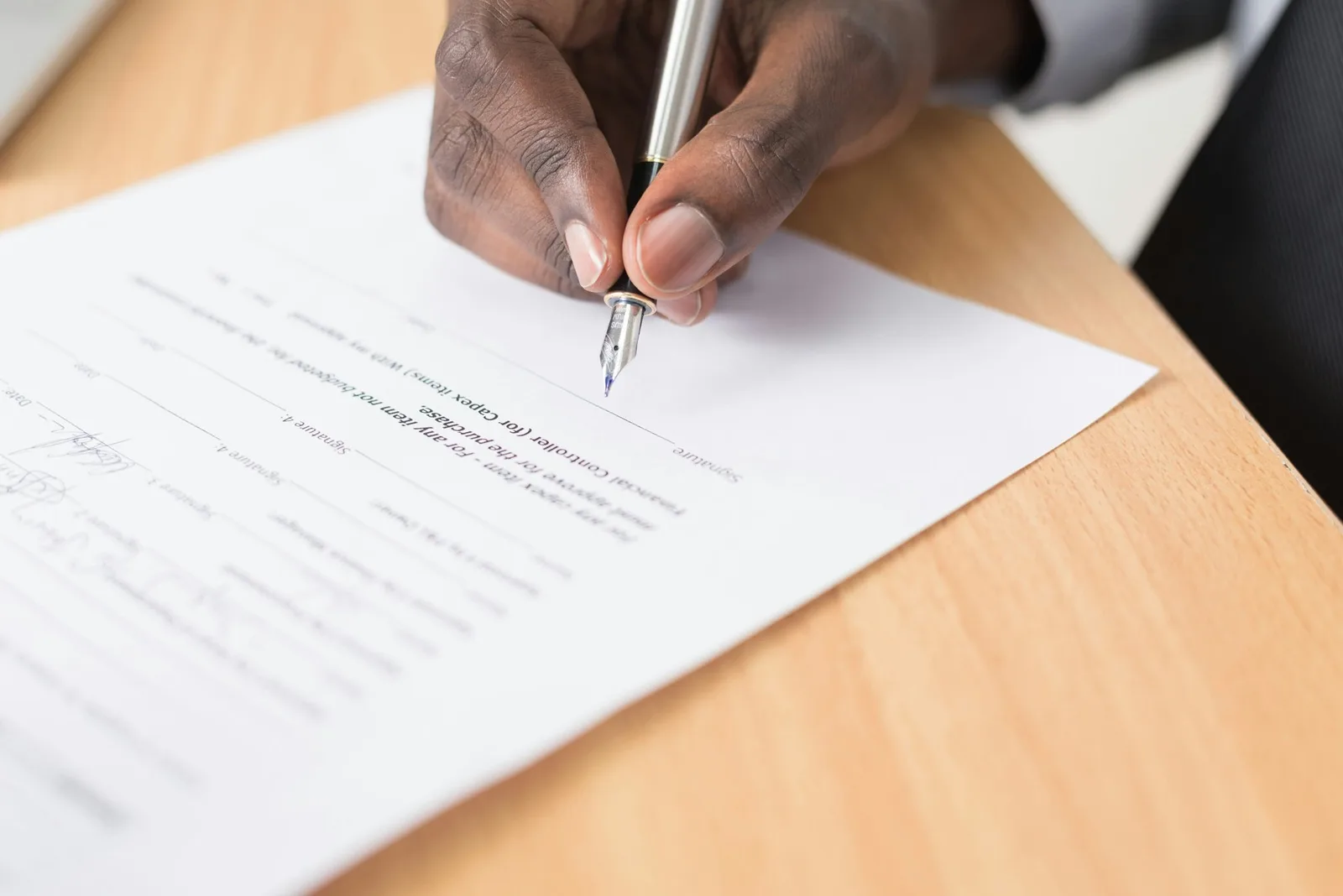
Escrow is the stretch between an accepted offer and the day the property is yours. For buyers it is often the most confusing part of the process, and for sellers it is where the net proceeds get worked out. This article explains what escrow does, which costs buyers and sellers customarily cover in Siskiyou County as of 2026 and how to get through it safely.
What escrow does
In California, escrow is a neutral third party that holds the money and documents for a sale and releases them only when every condition the buyer and seller agreed to has been met. The escrow holder does not represent either side. It follows the written escrow instructions both of you sign, which are based on your purchase agreement.
During escrow, the escrow holder typically:
- Receives the buyer's deposit and, later, the rest of the down payment and the loan funds.
- Orders the preliminary title report and coordinates with the title insurer.
- Requests payoff figures for the seller's existing loans and any liens.
- Works out prorations, such as property taxes and any HOA dues, for the closing date.
- Prepares the settlement statements that show every dollar in and out.
- Sends the deed and loan documents to the Siskiyou County Recorder for recording, then pays out the funds.
In Northern California, escrow is often handled by the same company that issues the title insurance, but it does not have to be. Who holds escrow is part of the negotiation.
The Statement of Information
Early in escrow, the title company will ask both buyer and seller to complete a Statement of Information. It asks for details such as previous addresses, employment and marriages. It can feel intrusive, but it has a practical purpose: it helps the title company tell you apart from someone with a similar name who has a judgment, tax lien or other claim recorded against them. The form is confidential and returning it promptly avoids delays.
For more on the title side, including what to look for in a rural preliminary report, see title insurance and your preliminary report.
Who pays what in Siskiyou County
Many closing costs in California are split by county custom, and custom varies a lot from one county to the next. A buyer moving from the Bay Area or Southern California may be used to a different split. Here is how the main costs customarily fall in Siskiyou County, based on title insurers' published county custom charts (2023-2024):
| Cost | Buyer | Split | Seller |
|---|---|---|---|
| Escrow fee | Buyer and seller split it | ||
| Owner's title insurance policy | Buyer and seller split it | ||
| Documentary transfer tax | Seller pays | ||
| Lender's title insurance policy | Buyer pays | ||
| Lender charges: origination, points, appraisal and credit report | Buyer pays | ||
| Payoff of existing loans and liens | Seller pays |
Custom is a starting point, not a rule. Every one of these costs is negotiable and is set by your purchase agreement. Split costs are customarily shared 50/50.
The documentary transfer tax is $1.10 per $1,000 of value ($0.55 per $500), so a $400,000 sale pays $440. The cities in the county, including Mount Shasta, Weed, Dunsmuir and Yreka, each levy the standard city share of $0.55 per $1,000, but under state law that share is credited against the county tax, so the total stays $1.10 per $1,000 whether the home is inside a city or not. None adds a separate city transfer tax on top.
Beyond the costs in the chart, buyers and sellers usually cover these.
Buyers typically pay:
- Fees to record the deed and deed of trust.
- Prepaid interest from closing to the end of the month.
- The first year of homeowners insurance, and, if the lender requires it, an impound (escrow) account to hold money for future property taxes and insurance.
- Inspections the buyer orders, such as home, well, septic, chimney or pest inspections.
- Their share of prorated property taxes and any HOA dues from the closing date.
- Their own agent's fee, unless the seller agrees to cover some or all of it. See working with a buyer's agent.
Sellers typically pay:
- Their brokerage fee under the listing agreement, and any buyer-side fee or credit they agree to in the sale.
- Any repairs or credits agreed to during escrow.
- Their share of prorated property taxes and HOA dues up to the closing date.
- Reports the seller orders, such as the natural hazard disclosure report.
Sellers should also know that California may require part of the sale price to be withheld for state income tax unless an exemption applies. We cover this in selling your home in Siskiyou County.
A note on property taxes
California property taxes are paid in two installments. The first is due November 1 and becomes delinquent after December 10, and the second is due February 1 and becomes delinquent after April 10. Escrow credits and charges each side for its share of the current year, depending on what the seller has already paid.
Buyers should also expect a supplemental tax bill after closing, because the sale usually changes the home's assessed value. It arrives separately from your regular bill and often is not paid through your lender's impound account. See property taxes, HOAs and special assessments.
A note on recording fees
The Siskiyou County Recorder charges fees to record documents such as the deed and the deed of trust, set by state law and the county's fee schedule. California also charges a separate $75 per-document fee to fund affordable housing, capped at $225 per transaction. Documents recorded in connection with a sale subject to transfer tax, or a transfer of a home to an owner-occupant, are exempt, so it rarely applies to an ordinary purchase. Your escrow officer will list the recording fees that actually apply on your statement.
Your Loan Estimate and Closing Disclosure
If you are financing, two federal forms help you see your costs clearly:
- The Loan Estimate. Your lender must give you this within three business days of receiving your application. It shows your rate, monthly payment and estimated closing costs in a standard format, so it is easy to compare lenders.
- The Closing Disclosure. You must receive this at least three business days before closing. It shows your final terms and costs. Compare it line by line against your Loan Estimate and ask your lender about anything that changed.
Sellers and cash buyers get a settlement statement from escrow instead of these lender forms.
Protect yourself from wire fraud
Scammers target home buyers during escrow with fake emails that appear to come from an agent, escrow officer or lender, and that give "updated" wiring instructions. Money sent to the wrong account is very hard to recover. To protect yourself:
- At the start of escrow, get your escrow officer's phone number in person or from a source you already trust.
- Never act on emailed wiring instructions, and treat any message saying the instructions have changed as a warning sign.
- Before you wire anything, call your escrow officer at the number you already have to confirm the account details.
- After wiring, call to confirm the funds arrived.
- If you think you have been scammed, call your bank immediately to request a recall of the wire, and report it to the FBI at ic3.gov.
Your agent is not the source of wiring instructions. Those come only from escrow, and you should always confirm them by phone.
How long escrow takes here
Your purchase agreement sets the closing date. A cash purchase can usually close faster than a financed one, because there is no loan approval or lender appraisal to wait for. Rural properties can take longer if well, septic or other inspections, a rural appraisal or insurance quotes need extra time, so build that into the timeline. Once the date is set, we will keep the deadlines moving.
Next steps
If you are buying, start with our step-by-step buying guide. If you are selling and want a sense of your net, contact us for a home value estimate and we will walk through the numbers with you.
This article is general information, not legal or tax advice. Talk to a qualified professional about your situation.
Sources
- California Revenue and Taxation Code section 11911 (county documentary transfer tax)
- California Revenue and Taxation Code section 11931 (city transfer tax credited against county tax)
- California City Finance: California city documentary and property transfer tax rates (effective December 2025)
- Siskiyou County Assessor-Recorder
- Siskiyou County Treasurer-Tax Collector
- California Government Code section 27388.1 (SB 2 recording fee)
- CFPB: When do I get a Closing Disclosure?
- CFPB: Beware of mortgage closing scams
- FBI Internet Crime Complaint Center