
Working With a Buyer's Agent After the 2024 Rule Changes
September 19, 2026
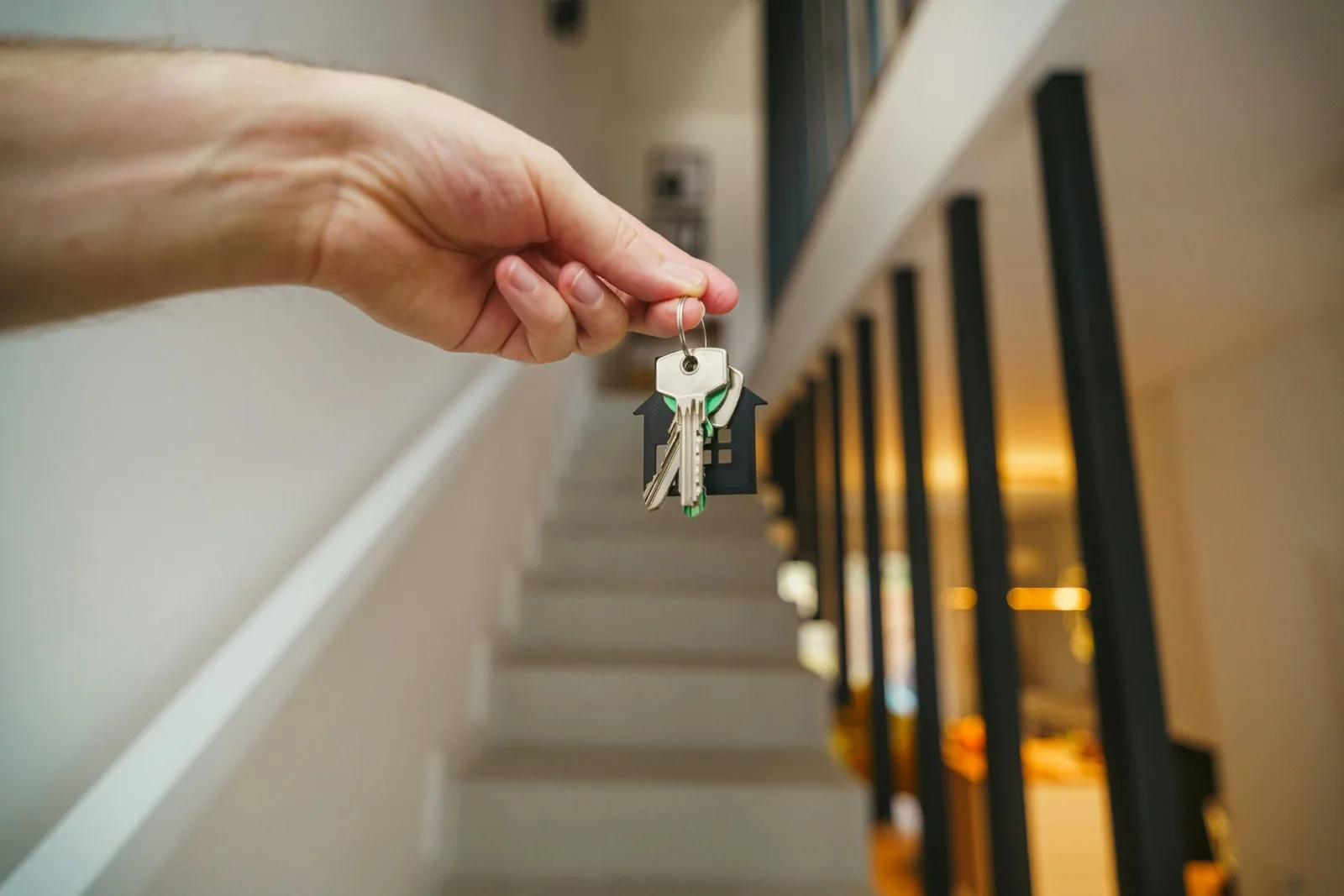
If you last bought a home before 2024, one part of the process now works differently. You will be asked to sign a written agreement with your agent, and how your agent gets paid is spelled out up front instead of being arranged between the brokers behind the scenes. None of this is anything to worry about. It just means you see and agree to the terms at the start. Here is how it works in California as of 2026.
- Sign it earlyCalifornia law requires it no later than your offer; agents who use the MLS ask before the first tour.
- Agree on four termsHow the broker is paid, the services, when payment is due and how the agreement ends.
- Know the time limitUp to three months with an individual, and it cannot renew automatically.
- Negotiate who paysYou, the seller, the listing brokerage or a mix; your agreement caps what your agent can receive.
What changed, and why
In 2024 the National Association of REALTORS® settled a group of lawsuits over how agent commissions were set and shared. Starting August 17, 2024, two practice changes took effect nationally for agents who use a multiple listing service (MLS):
- Offers of buyer-agent pay can no longer be posted on the MLS. A seller can still choose to help with the buyer's costs, including the buyer's agent fee, but it is negotiated in the transaction and not advertised on the MLS.
- Buyers sign a written agreement before touring. Buyers working with an agent must sign a written agreement before touring a home, in person or by live video.
California then made the written agreement state law. Assembly Bill 2992, which took effect January 1, 2025, added section 1670.50 to the Civil Code. It requires a written buyer-broker representation agreement for residential property of up to four units, including mobile homes, and it applies whether or not the property is listed on an MLS.
What the buyer agreement says
In California most agents use a standard form from the California Association of REALTORS® called the Buyer Representation and Broker Compensation Agreement, often shortened to the BRBC. Expect to see it before your first tour or your first offer, whichever comes first. Whatever form is used, state law requires it to cover four things:
- How the broker is paid. The amount or rate, stated clearly. Under the national settlement rules it must be a specific figure, not open-ended, and the agent cannot receive more in total than the agreement says, from any source.
- What services the broker will provide.
- When payment is due. Usually at the close of escrow on a home you buy.
- How the agreement ends.
A few other points are worth knowing:
- Timing. California law requires the agreement to be signed as soon as practicable and no later than when you make an offer. National practice for MLS participants is to sign before the first tour, so expect to sign early.
- Length. A California buyer agreement with an individual can last no more than three months. It cannot renew automatically. Any renewal must be in writing, dated and signed, and is also limited to three months.
- Scope. You can often limit an agreement to certain property types or areas, or even to one property if you only want help with one home. Ask.
- Commissions are negotiable. Agent pay is not set by law. It is agreed between you and your agent.
Who actually pays the buyer's agent?
The honest answer is that it depends on what is negotiated, and all of it is open to negotiation. Common arrangements today:
- You pay your agent directly, at closing, from your own funds.
- You ask the seller to contribute toward your costs as part of your offer. A seller may agree to pay some or all of your agent's fee or give a credit toward your closing costs. Some sellers decide ahead of time that they are willing to do this.
- The listing brokerage shares part of its fee with your agent, if the seller has agreed to that in the listing.
- A mix of these.
Whatever the source, your agreement sets the most your agent can receive. If a seller offers more than your agreement says, the difference does not go to your agent. If the seller offers less, your agreement says whether you owe the rest. Loan programs also set limits on what a seller can pay toward a buyer's costs, so talk to your lender before you count on a seller contribution. Our guide to getting mortgage-ready covers that first conversation.
We will go through all of this with you before you sign anything, and we are glad to answer questions about it.
What a buyer's agent does for you here
In a county where one house can be on city water and the next on a shared well, and where a lot of what sells is land, local knowledge does real work. A good buyer's agent will:
- Know the communities, the roads that get plowed and the ones that do not, and which areas have homeowners associations or road agreements.
- Help you price an offer when there are only a handful of truly comparable sales.
- Set up the right inspections for rural property, from wood stoves to wells. See inspecting a mountain home.
- Flag insurance and wildfire issues early. See wildfire, homeowners insurance and defensible space.
- Read the preliminary title report with you for easements and access. See title insurance and your preliminary report.
- Keep the deadlines on track through escrow, which matters a great deal for out-of-area buyers who cannot be here in person.
Dual agency in a small market
In a small market it is common for a buyer to be interested in a home that the same brokerage has listed. California allows one brokerage to represent both the buyer and the seller, called dual agency, but only with the knowing written consent of both.
A dual agent owes duties to both parties. By law, a dual agent cannot tell the buyer that the seller would accept less than the asking price, or tell the seller that the buyer would pay more than the offer, without express permission. The same goes for other confidential facts such as each side's financial position or reasons for buying or selling.
Many buyers and sellers are comfortable with this, especially when two different agents in the same office work for each side. Others prefer separate brokerages. It is your choice, and you will see California's agency disclosures in writing before you decide. If you would like to talk through what it would mean for a particular property, just ask.
Can I buy without an agent?
Yes. You can contact a listing agent directly or buy from a seller who is selling on their own. Just know that a listing agent works for the seller unless you both agree in writing to dual agency. Many buyers find the local knowledge, the negotiation and the deadline management worth paying for. Others are comfortable on their own. Either way, it helps to understand the choice.
Next steps
If you are starting a search, begin with our guide to buying a home in Siskiyou County, browse current listings, or contact us to talk about working together. We are happy to walk through the buyer agreement line by line before you sign.
This article is general information, not legal advice. Talk to a qualified real estate attorney about your specific situation.