
Buying Land in Siskiyou County: Zoning, Access, Utilities & Building
September 5, 2026
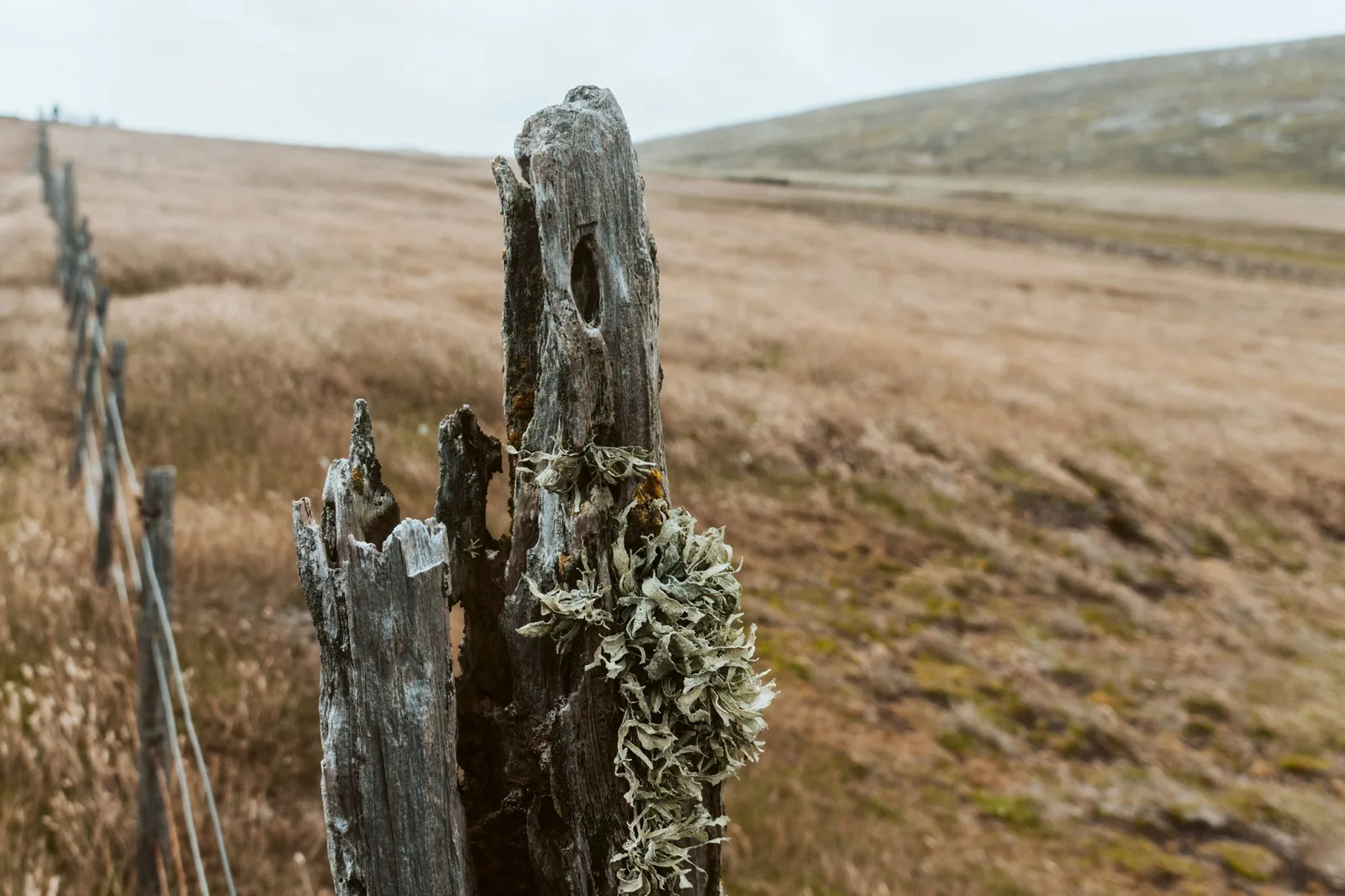
Land with a view of the mountain is one of the most appealing things you can buy here, and the purchase with the most unknowns. A house already answers the questions about water, wastewater, power and access. With raw land, you answer each one yourself, ideally before you are committed.
This guide covers the questions we work through with land buyers. It is general information, not legal advice; for anything specific to your parcel, talk to the county, a licensed surveyor, engineer or attorney as needed.
1. Is it a legal parcel, and what does the zoning allow?
Zoning tells you what you can build and do on the land. In unincorporated Siskiyou County, zoning rules are in Title 10 of the county code, and each district sets allowed uses and a minimum parcel size. Rural Residential Agricultural (R-R) zoning is common on rural lots, and the minimum parcel size varies by area; many R-R parcels carry a 2.5-acre minimum and some carry 40 acres. That minimum matters if you hope to split the land later.
To confirm a parcel's zoning, the county Planning Division accepts a Property Information Inquiry and says it answers within ten business days. If the land is inside Mt. Shasta, Weed or Dunsmuir, the city's planning department is the right call instead.
Legal parcel status is a separate question. California's Subdivision Map Act governs how land may be divided. A parcel created improperly, sometimes decades ago, can be difficult to build on or finance. A buyer under contract can ask the county to issue a certificate of compliance, which confirms the parcel was lawfully created. If something about a parcel's history seems unusual, it is worth asking early.
2. Can you legally get to it, year round?
There is a difference between physical access (you can drive to it) and legal access (you have a recorded right to cross the land between the parcel and a public road). A dirt track that neighbors have "always used" is not the same as a recorded easement.
Things to check:
- The preliminary title report and the recorded easements. Your title officer can tell you whether a recorded access easement exists and whether title insurance will cover access. See title insurance and preliminary reports.
- Who maintains the road. The county notes that many subdivision roads were left private by their developers rather than built to county standards and dedicated. On a private road, owners share the cost of grading, gravel and snow removal, often through a road association or recorded road maintenance agreement.
- Winter access. County plowing starts at about three inches of snow and follows a priority order; clearing a private road is up to its owners. Visit the land in winter if you can.
- Fire-safe access for building. In the State Responsibility Area and very high fire hazard zones, the state's Fire Safe Regulations set minimum standards for new construction, including road and driveway width, turnarounds and dead-end length. A long, narrow or steep driveway may need work before a new home can be permitted. Ask the county Building Division how access is reviewed for your parcel.
A licensed land surveyor can confirm boundaries and where the easement actually runs on the ground.
3. Water: a well, or a real plan for one
Most rural land here depends on a private well. If the parcel already has a well, ask for the Well Completion Report, a recent flow test and water-quality results. If it does not, look at the state's online map of Well Completion Reports for nearby wells to get a sense of typical depths and yields, and talk to a licensed well driller about the area. There is no guarantee of water until a well is drilled and tested.
Be cautious about land that relies on hauled water: county permits apply to using groundwater off the parcel it was pumped from, so check with the county before counting on delivered water.
If the land is in the Shasta, Scott or Butte valley, or Tulelake, it is in a groundwater basin managed under the state's Sustainable Groundwater Management Act. Ordinary household use is treated lightly; large irrigation use is a bigger question. Our guide to wells, septic and water covers all of this in more detail.
4. Septic: will the soil support a system?
Without a sewer connection, you will need a septic system, and not every parcel can support one where you want to build.
Siskiyou County Environmental Health sets out the order for developing a rural parcel:
- Floodplain review.
- On-site evaluation for sewage disposal (soil and percolation testing).
- Well site approval and well permit.
- Well drilling.
- Showing adequate water quantity and quality, if required.
- Septic permit.
Two local details worth knowing:
- Some parcels must be tested during the wet-weather testing season, January 1 through April 30, after at least half of the season's average rainfall has fallen. Buying in summer with a plan to build in fall can collide with that calendar.
- Leach fields are not allowed on slopes over 30 percent.
Where possible, make your purchase contingent on a successful site evaluation, or buy land where it is already done.
5. Power, propane and internet
- Electricity: Pacific Power (PacifiCorp) provides electric service in Siskiyou County. Confirm who serves your parcel, ask how far the nearest line is, and request a cost estimate for a line extension before you buy; bringing power a long distance can be one of the largest costs of building.
- Propane: most rural homes here use it for heat, water heating and cooking. You will choose between owning a tank and leasing one from a supplier.
- Internet and cell service: coverage varies from one hillside to the next, so check it on the land itself.
We do not quote costs for wells, power extensions or septic systems because they vary so much by site; get written estimates from licensed contractors during your contingency period.
6. Building in snow and fire country
When you are ready to build, the Siskiyou County Building Division reviews plans for unincorporated areas. Some points specific to our county:
- Engineered plans: the county's design information states that structural plans must be sealed and signed by a California-licensed design professional, and that conventional light-frame construction provisions cannot be used.
- Snow load: roofs must be designed for a flat-roof snow load of 60 pounds per square foot in McCloud, Mt. Shasta, Dunsmuir, Weed and Happy Camp, and 40 pounds per square foot in other areas, with no reduction for roof slope. Above 5,000 feet, loads are set site by site.
- Frost depth: footings must extend at least 12 inches.
- Wildfire construction standards: new homes in fire hazard zones and the State Responsibility Area must meet California's wildland-urban interface building standards, such as ember-resistant vents and fire-resistant roofing and siding.
- Defensible space: plan the house site, driveway and propane tank location with clearance in mind. See wildfire, insurance and defensible space.
7. Ranch land and the Williamson Act
Some agricultural land in the county is enrolled in the Williamson Act, a state program in which an owner agrees to keep land in agricultural or open-space use in exchange for a property tax assessment based on that use rather than market value.
In Siskiyou County these contracts run on a rolling 10-year term that renews automatically each year. The contract stays with the land when it sells. Ending one normally means filing a notice of nonrenewal, after which the contract winds down over the remaining years while the tax assessment gradually rises. If a parcel is under contract, read the contract and ask the Planning Division what uses it allows before you buy.
Ranch buyers should also ask about water rights for irrigation, stock water and any ditches or springs. These are separate from the land title and deserve their own review.
8. Financing land
Land is financed differently from a home:
- Land loans from banks and credit unions usually require larger down payments and shorter terms than home loans.
- Construction loans can combine the land purchase with building, but lenders will want plans, bids and often a completed site evaluation.
- Seller financing (a "carryback") is common with land. The seller acts as the lender, the buyer signs a promissory note, and a deed of trust is recorded against the property. Sellers should protect that interest with a lender's title insurance policy, and both sides should have documents prepared by an escrow officer or attorney. For sales that include a home of one to four units, California requires a seller financing disclosure statement.
- Land sale contracts, in which the seller keeps title until the buyer finishes paying, carry more risk for the buyer. Make sure any contract is recorded and reviewed by an attorney.
For home loan options, see home loans for Siskiyou County buyers.
A land buyer's due-diligence list
Zoning and parcel
- Zoning and minimum parcel size confirmed with the county or city
- Legal parcel status, and a certificate of compliance if in doubt
Access
- Recorded legal access
- Road maintenance terms and winter access
- A survey or boundary confirmation
Water and septic
- The water source, or a driller's opinion
- A septic site evaluation, or a contingency for one
Power and building
- A power extension estimate
- The fire hazard zone and building requirements
Ranch land
- The Williamson Act, easements and any water rights
We work through this list with every land buyer. Browse listings, explore our communities, or contact us. Buying a house rather than land? Start with our step-by-step guide to buying in Siskiyou County.
Sources
- Zoning, Siskiyou County Planning Division
- Planning Commission Staff Report, March 19, 2025 (R-R minimum parcel sizes), Siskiyou County
- California Government Code 66499.35 (certificates of compliance)
- Roads and Highways in Siskiyou County, Siskiyou County Public Works
- Snow Removal Policy, Siskiyou County Public Works
- State Minimum Fire Safe Regulations (California Code of Regulations, Title 14, section 1270 and following), Board of Forestry and Fire Protection
- Land Use, Siskiyou County Environmental Health
- Individual Sewage Disposal, Siskiyou County Environmental Health
- Well Completion Reports, California Department of Water Resources
- Sustainable Groundwater Management Act, Siskiyou County Natural Resources
- Design Information, Siskiyou County Building Division
- Rules for the Establishment and Administration of Agricultural Preserves (Williamson Act), Siskiyou County
- California Civil Code 2956 (seller financing disclosure)
- Ordinance adding Article 3.5 to Title 3, Chapter 13 (off-parcel groundwater use permit), Siskiyou County Board of Supervisors
- PacifiCorp application and testimony to the CPUC (California service territory), Pacific Power