
Inspecting a Mountain Home: What to Check Beyond the Standard Report
September 1, 2026
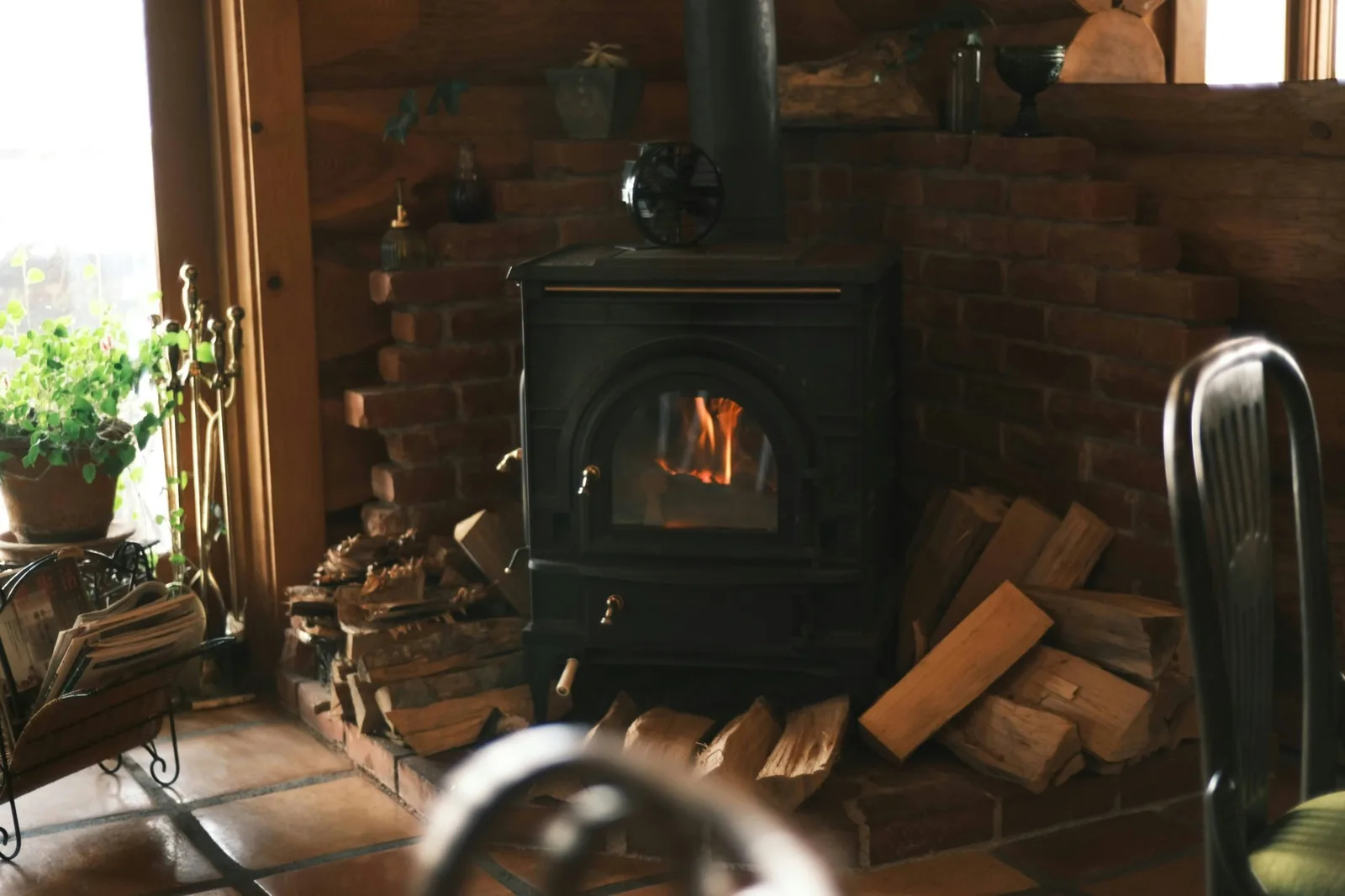
A professional home inspection is one of the best investments you make in a purchase. In Siskiyou County, though, a standard report is the starting point rather than the whole job. Homes here carry heavy snow, burn wood, run on propane, sit on crawlspaces that can freeze, and often rely on a private well and septic system. Each of those deserves a closer look.
This guide walks through what we suggest buyers check, and what sellers can get ahead of, when the property is a mountain or rural home. New to buying here? Start with our step-by-step guide to buying in Siskiyou County.
Roof and snow
- Sagging ridgelines, cracked rafters or ceiling cracks
- Attic water stains from ice dams
- Where a metal roof will shed its snow
Wood heat
- The EPA label on the stove
- A Level II chimney inspection with a camera run
Propane
- Whether the tank is owned or leased, in writing
- The age and records of any buried tank
Freeze and drainage
- Insulated lines and heat tape in the crawlspace
- Standing water or a missing vapor barrier
Hazards
- A radon test
- Lead paint disclosures for homes built before 1978
Timing: use your investigation period well
California purchase contracts give the buyer a set number of days to investigate the property before removing contingencies. On a rural home, that window has to hold more appointments than it would in town: a general inspection, often a pest inspection, a chimney inspection, and well and septic work. Book specialists as soon as your offer is accepted.
Your lender may add requirements of its own before it funds the loan. Government-backed and conventional loans commonly require a water test on a home with a private well, typically for coliform bacteria and nitrate, and FHA sets minimum distances between a well and the septic system. We break down what lenders look for in wells and septic systems, so ask your lender early what it needs.
Winter adds a wrinkle. Snow can hide a roof, a septic area, drainage problems and the condition of decks and outbuildings. If you are buying between November and April, ask your inspector what could not be seen, and consider whether any part of the inspection should be repeated or extended once the snow clears.
If the home has been winterized (water shut off and lines drained, which is common with vacant and bank-owned homes), ask for it to be de-winterized before the inspection so the plumbing, water heater and heating can actually be tested.
Roof, snow load and ice dams
Snow is the defining load on a mountain roof. For new construction, Siskiyou County currently requires roofs to be designed for a flat-roof snow load of 60 pounds per square foot in McCloud, Mt. Shasta, Dunsmuir, Weed and Happy Camp, and 40 pounds per square foot elsewhere, with no reduction allowed for roof slope. Above 5,000 feet, snow loads are set site by site. Older homes were built to whatever standard applied at the time, and additions or enclosed porches were not always permitted.
Things to ask an inspector, or a structural engineer if anything looks off, to look at:
- Sagging ridgelines, cracked rafters or ceiling cracks that suggest the structure has been overloaded.
- Water stains on ceilings and in the attic, often a sign of ice dams. Ice dams form when heat escaping into the attic melts snow on the upper roof and the water refreezes at the colder eaves, backing up under the shingles. Good attic insulation and ventilation are the long-term fix.
- Heat cables along the eaves, which can be a clue that ice dams have been a problem.
- Where a metal roof will shed its snow. A sliding load can land on a deck, an entry, a propane regulator or a car.
- Unpermitted additions, covered decks and carports that may not have been built for snow.
Roof condition also matters for insurance. See our guide to wildfire, insurance and defensible space.
Wood stoves, inserts and chimneys
Many homes here heat primarily or partly with wood. A few points to understand:
- Certification: since May 15, 2020, new wood stoves sold in the United States must meet the EPA's "Step 2" limit of 2.0 grams of particulate emissions per hour. Look for the EPA label on the back or side of the stove, and ask for the manual and installation permit if the seller has them. Older, uncertified stoves are less efficient, and some insurers ask about them.
- Chimney inspection: a general home inspector looks at what is visible. The national chimney standard, NFPA 211, calls for a more thorough Level II inspection, including a camera run of the flue, when a property changes hands. A certified chimney professional does this separately.
- Clearances: stove-to-wall clearances, hearth protection and how the stovepipe passes through the ceiling and roof are common findings.
- Replacement help: Siskiyou County has run grant-funded voucher programs to help income-qualified households in unincorporated areas replace uncertified stoves and fireplaces with Step 2 devices. Funding comes and goes, so ask County Community Development whether a round is open.
If wood is the only heat source, talk to your lender early; some loan programs look closely at how a home is heated. See home loans for Siskiyou County buyers.
Propane: who owns the tank?
Propane is the main fuel for heat, water heating and cooking in much of the county, and the tank is one of the most overlooked items in a transaction.
- Owned or leased. If the seller owns the tank, it normally stays with the home and transfers in the sale. If a propane company owns it, the tank is leased, and generally only that company can fill it. You would either set up service with that company, negotiate a new agreement, or arrange to have the tank replaced.
- Get it in writing. Ask the seller for proof of ownership or a copy of the lease agreement. A tank that "came with the house" is not always owned.
- Buried tanks. Underground propane tanks are common on some properties. Ask about their age and any records of inspection.
- Fuel in the tank. Agree in the contract how any propane left in the tank at closing will be handled.
- Safety check. Have the gas system, regulator and connections checked, and make sure the tank is clear of snow-shedding roofs and has defensible space around it.
Underground heating-oil tanks, a common worry in other parts of the country, are rare here. On older ranch and farm properties, though, it is worth asking whether there were ever buried fuel tanks for vehicles or equipment.
Freeze protection, crawlspaces and drainage
- Look for insulated supply lines and heat tape in crawlspaces, and ask how pipes were protected during past cold snaps.
- Check the crawlspace for standing water, moisture and missing vapor barrier. Snowmelt drainage around the foundation matters more here than in milder climates.
- If there is a well, the pump house or well head also needs freeze protection.
- Ask whether pipes have ever frozen or burst, and whether any repairs were done.
Pests and wood damage
A licensed structural pest inspector will separate findings into Section 1 (active infestation or damage present now) and Section 2 (conditions likely to lead to it, such as wood in contact with soil or moisture). Who pays for what is negotiable, and lenders sometimes require certain items to be cleared. Decks, siding near grade and log or wood-sided homes deserve particular attention.
Radon, lead and the hazard reports
- Radon is a naturally occurring radioactive gas that can enter homes from the ground. The California Geological Survey has not published a detailed radon-potential map for Siskiyou County, so the only way to know a home's level is to test it. The EPA recommends fixing a home at or above 4 picocuries per liter. Testing is inexpensive and fits within most inspection periods.
- Lead paint: for homes built before 1978, federal law requires the seller to disclose any known lead-based paint hazards, give the buyer an EPA pamphlet, and offer a 10-day opportunity to test for lead unless the buyer waives it. Many older homes in our mill and railroad towns fall into this group.
- Natural Hazard Disclosure report: California sellers must disclose whether a property is in certain mapped hazard areas, including flood zones, fire hazard zones and earthquake fault zones. This report, prepared by a third-party company during escrow, has replaced the old advice to search private environmental databases.
What California requires at sale
Sellers of single-family homes must confirm that:
- Working smoke alarms are installed.
- Carbon monoxide alarms are installed if the home has a fuel-burning appliance, fireplace or attached garage, which describes nearly every home here.
- The water heater is braced or strapped against earthquake movement.
Wells, septic and water
If the home has a private well or septic system, those inspections are just as important as the house itself. Plan time for them in your investigation period.
A specialist checklist
Depending on the property, you may want:
- General home inspector
- Licensed structural pest inspector
- Certified chimney professional
- Roofer or structural engineer, if the general inspector flags concerns
- Well pump and flow tester, and a water-quality lab
- Septic inspector or pumper
- Propane company or HVAC technician for the gas and heating system
- Licensed land surveyor, if boundaries or access are unclear
For sellers
A pre-listing inspection, a chimney sweep, a septic pump and a clear answer about the propane tank make a mountain home much easier to sell. Buyers relax when they see paperwork, and you avoid discovering a problem in the middle of escrow. See selling your home in Siskiyou County.
We are happy to help you plan your inspections and interpret what comes back. Contact us or browse current listings.
Sources
- Design Information, Siskiyou County Building Division
- Roof Snow Load Bulletin, Siskiyou County
- Final 2020 New Source Performance Standards for Residential Wood Heaters, U.S. EPA
- Press Release: Woodstove Vouchers, Siskiyou County
- NFPA 211: Standard for Chimneys, Fireplaces, Vents and Solid Fuel-Burning Appliances
- Indoor Radon, California Geological Survey
- Radon, U.S. EPA
- Real Estate Disclosures about Potential Lead Hazards, U.S. EPA
- Structural Pest Control Board, California Department of Consumer Affairs
- California Health and Safety Code 19211 (water heater bracing)
- California Health and Safety Code 13113.8 (smoke alarms)
- California Health and Safety Code 17926 (carbon monoxide devices)
- California Civil Code 1103.2 (Natural Hazard Disclosure Statement)