
Buying a Cabin or Second Home Near Mount Shasta
September 17, 2026
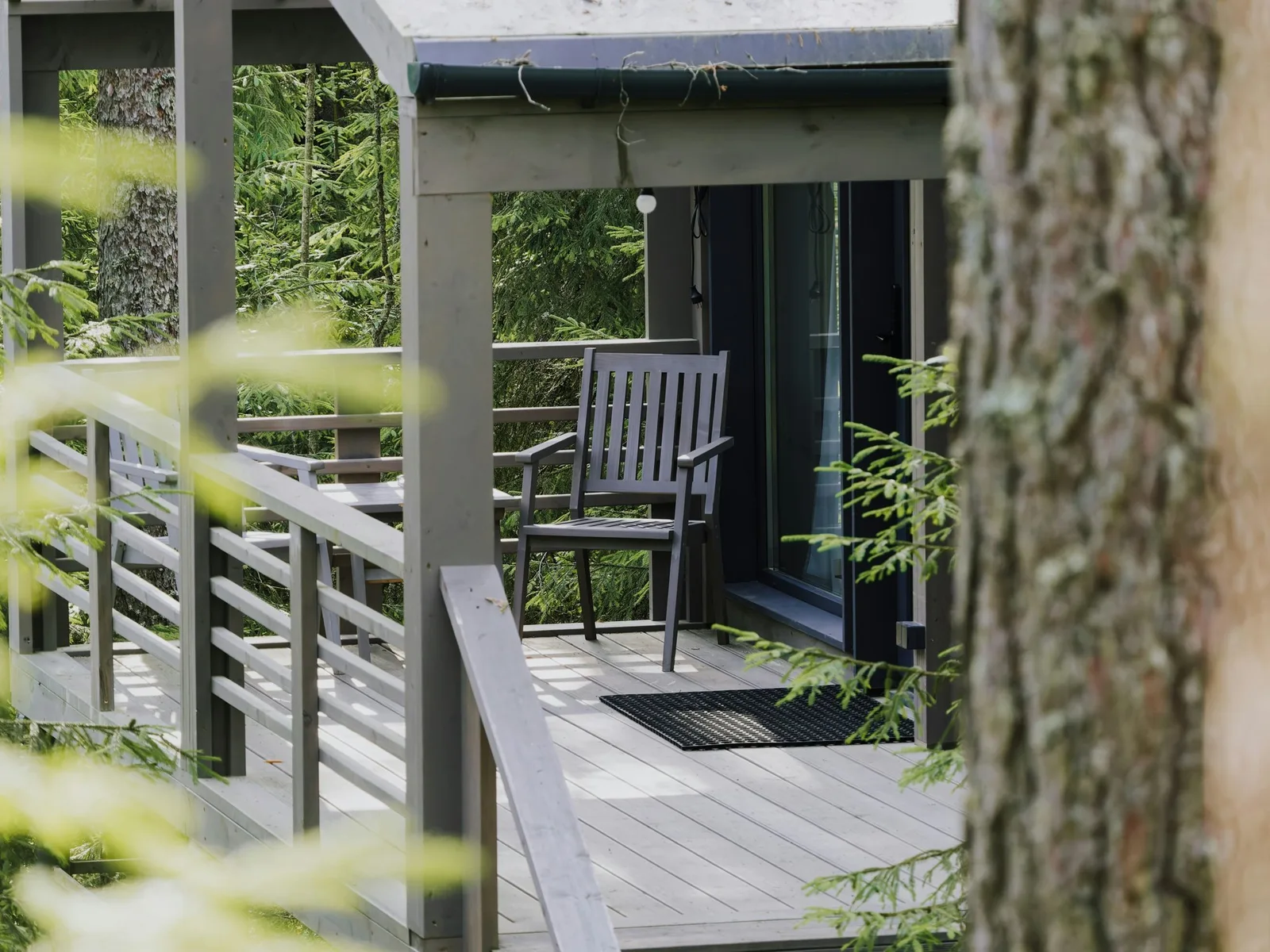
A cabin within sight of Mount Shasta is a long-held goal for a lot of people, and many of our buyers live somewhere else for most of the year. Owning a home you visit, rather than one you live in every day, raises its own set of questions. How do you get to it in January? What happens to the pipes while you are gone? Can you rent it out when you are not using it?
Here is what we walk through with second-home buyers in Mt. Shasta, McCloud, Dunsmuir, Weed, Lake Shastina and the surrounding subdivisions.
Winter access comes first
A property that is easy to reach in August can be a different place in February. Before you buy, find out:
- Who maintains the road. Public roads are maintained by the county, a city, Caltrans or the Forest Service. Many subdivision roads, though, are private: the developer never built them to county standards or dedicated them to the county. On a private road, the owners pay for grading and snow removal, usually through a road association or a recorded road maintenance agreement. Ask for a copy and for what owners pay each year.
- How plowing works. County crews begin plowing when about three inches of snow has built up, work major roads before local ones, and generally leave the plow berm across driveways for owners to clear. If you will not be there after a storm, you will want someone who can clear the driveway and the path to the door.
- Elevation and exposure. A few hundred feet of elevation or a north-facing slope can mean a very different winter. Visit in winter if you can, or ask us what the road is like.
Buyers who do not want to deal with snow often look at homes on well-traveled roads close to town. See our communities pages for a feel for each area.
Keeping a part-time home safe
The biggest risk to a vacant mountain home is a frozen pipe. A burst line can run for days before anyone notices. Plan for it from the start:
- Either keep the heat on or winterize. Many owners keep the thermostat at a safe minimum all winter. Others have the home professionally winterized: water shut off, lines drained and antifreeze added to traps. Both approaches work; the risk is doing neither.
- Protect the vulnerable spots. Crawlspace plumbing, the well pump and pressure tank, and exterior hose bibs are usually the first to freeze. If the cabin is on a well or septic, see wells, septic and water for what to check before you buy.
- Watch it remotely. Low-cost sensors can alert you to low temperatures, power outages or water leaks. Pair them with someone local who can respond.
- Keep the propane topped up. A tank that runs dry in a cold snap means no heat. Ask your supplier about automatic delivery.
- Watch the roof. Heavy snow loads, ice dams and snow sliding off metal roofs are all part of mountain ownership. Our guide to inspecting a mountain home covers what to look for before you buy.
Insurance for a home you do not live in full time
Tell your insurance agent up front that the home will be a second or seasonal home. A policy written as if you lived there full time may not respond the way you expect.
Two provisions in standard homeowners policies matter for part-time homes:
- Vacancy. Many homeowners policies limit coverage for losses such as vandalism and glass breakage once a home has sat vacant for a set number of consecutive days. Policies differ, so read yours and ask your agent how it treats a seasonal home.
- Freezing. Standard policies generally do not cover water damage from frozen plumbing unless you kept the heat on or shut off the water and drained the system.
Wildfire risk also shapes what insurance costs and which companies will write a policy here. Start shopping for coverage early; see wildfire, insurance and defensible space. This is general information, not insurance advice; a licensed agent can tell you what your policy covers.
Financing a second home
Lenders treat a second home differently from a primary residence and from an investment property. Under Fannie Mae's guidelines, for example, a second home must be a one-unit home that you occupy for some part of the year, that is suitable for year-round use, and over which you keep exclusive control. It cannot be subject to an arrangement that gives a management company control over who stays there. You may rent it at times, but a lender will not count that rental income to qualify you.
If you plan to rent the home heavily, a lender may treat it as an investment property instead, which usually means a larger down payment and a higher rate. Tell your lender your plans at the start. See home loans for Siskiyou County buyers.
On property taxes, California's homeowners' exemption, which reduces a home's assessed value by $7,000, applies only to your principal residence, so a second home does not qualify. For more on taxes and association dues, see property taxes, HOAs and special assessments.
Short-term rental rules by area
If you hope to offset costs by renting the home to visitors for stays of fewer than 30 nights, the rules depend entirely on where the home is. They also change, so confirm them with the city or county before you buy. As of 2026:
City of Mt. Shasta
- Lodging tax
- 12%
- Permit
- Short-term rental permit, renewed each year
- Where
- New rentals only in the C1 and C2 commercial zones
- After you buy
- 30 days to apply for a new permit
City of Dunsmuir
- Lodging tax
- 14%
- Permit
- Registration, business license and fire-safety self-certification
Unincorporated county
- Lodging tax
- 12%
- Permit
- Vacation Rental Activity Permit, for three years
- Manager
- A professional manager in Siskiyou County, 24 hours a day
- After you buy
- The permit ends at sale; apply for a new one
Short-term lodging countywide also carries a 2 percent Tourism Improvement District assessment. Rules change; confirm with the city or county before you buy.
City of Mt. Shasta
- A short-term rental permit, a business license and registration for transient occupancy tax (TOT) are all required, and permits are renewed each year.
- New short-term rentals are allowed only in the C1 and C2 commercial zones.
- In residential zones, short-term rentals are capped at 19 existing permits. If you buy one of those homes and want to keep renting it, you have 30 days from purchase to apply for a new permit, or the use ends.
- An owner can hold no more than two permits, and accessory dwelling units cannot be used as short-term rentals.
- The city's municipal code sets the TOT at 12 percent of the rent.
City of Dunsmuir
- Every short-term rental must register with the city, hold a business license, register for TOT and complete a fire-safety self-certification, under Ordinance 570 (2021).
- Dunsmuir collects a 14 percent TOT, which the city describes as 12 percent to the city and 2 percent to the county.
City of Weed
Weed collects transient occupancy tax on lodging and sets its own rules for short-term rentals inside city limits. Check with the city's planning and finance staff before you count on rental income there.
Unincorporated Siskiyou County (McCloud, Lake Shastina, Mt. Shasta Forest, Hammond Ranch and other rural areas)
- A Vacation Rental Activity Permit is required. It runs for three years, and the county's 2024 application estimated total fees at $819.
- Owners within 300 feet are notified and have 30 days to respond. If half or more object, the application goes to the Planning Commission for a public hearing.
- The permit holder must have a professional property management firm located in Siskiyou County, available 24 hours a day.
- The permit ends automatically when the property sells to someone who was not on the permit, so a buyer must apply for a new one. Do not assume a home's rental history carries over.
- The county's TOT rate is 12 percent.
Everywhere
- Short-term lodging throughout the county, including vacation rentals, also carries a 2 percent assessment for the Siskiyou County Tourism Improvement District. It applies in unincorporated areas and in Mt. Shasta, Weed, Dunsmuir, Yreka, Montague and the county's other cities, is collected by the city or county along with the TOT, and does not apply to stays over 30 consecutive days. The district's current term runs through June 30, 2030.
- Read the CC&Rs. A homeowners' or property owners' association can restrict rentals even where the city or county allows them. Subdivisions such as Lake Shastina and Mt. Shasta Forest have property owners' associations with their own governing documents, so read them before you buy.
Property management and a local contact
Even if you never rent the home, you will want someone local for snow, deliveries, contractors and emergencies. If you do rent it, the county requires a professional manager and the city of Mt. Shasta requires a local contact who can reach the property within 45 minutes. Line this up before you close.
A second-home checklist
- Winter access, road maintenance and snow removal plan.
- Heating, freeze protection and remote monitoring.
- Insurance quote written for a second home.
- Financing reviewed with your rental plans disclosed.
- Short-term rental rules and HOA restrictions confirmed in writing.
- A local person or company you can call.
If you are thinking about a cabin or second home, we would enjoy helping you find the right fit. Browse listings, search the area, or contact us. New to buying here? Start with our step-by-step guide to buying in Siskiyou County.
Sources
- Roads and Highways in Siskiyou County, Siskiyou County Public Works
- Snow Removal Policy, Siskiyou County Public Works
- Homeowners Insurance, National Association of Insurance Commissioners
- B2-1.1-01, Occupancy Types, Fannie Mae Selling Guide
- Homeowners' Exemption, California State Board of Equalization
- Mt. Shasta Municipal Code Chapter 5.50, Short-Term Rentals
- Mt. Shasta Municipal Code Chapter 3.12, Transient Occupancy Tax
- Finance (transient occupancy tax filing), City of Weed
- Short term rental info, City of Dunsmuir
- Vacation Rental Activity Permit FAQ and Application, Siskiyou County Planning
- Uniform Transient Occupancy Tax, Siskiyou County Treasurer-Tax Collector
- Assessment Info and FAQs, Discover Siskiyou Tourism Improvement District
- Siskiyou County Tourism Improvement District Management District Plan (2019)
- Lake Shastina Property Owners Association
- Mount Shasta Forest Property Owners Association